
Non-Surgical Treatments for Knee Arthritis
Prioritising your knee health can greatly improve daily life
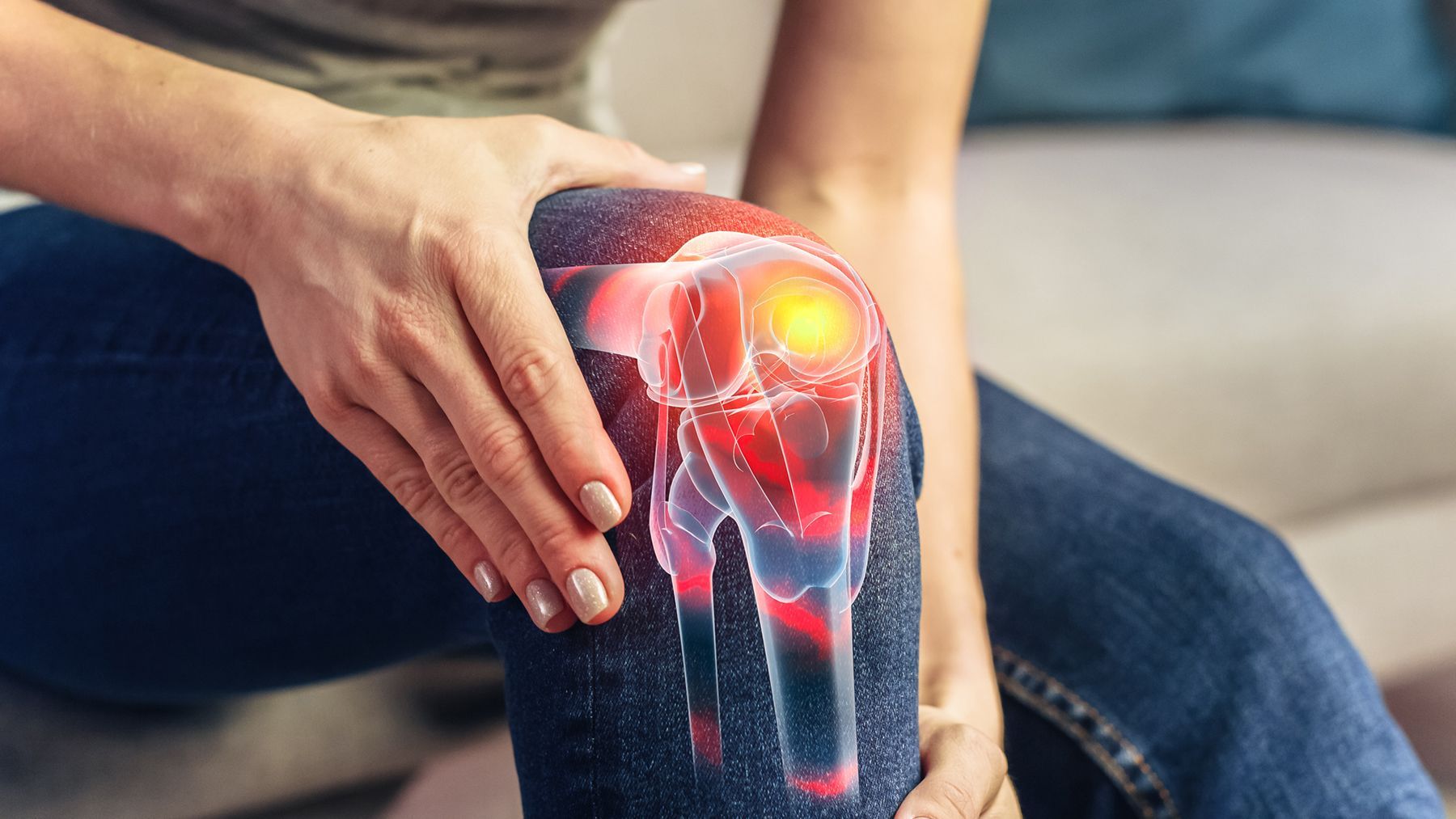
Arthritis of the knee currently affects approximately 8.5 million people in the UK, with one in five adults over 45 years old having symptoms that affect their daily life. From stiffness to pain, knee arthritis can have a wide impact on daily life, and while not all knee arthritis is necessarily severe, it will have a significant impact on general quality of life over time.
The only way to permanently
treat knee osteoarthritis is to undergo
knee replacement surgery, either total or
partial knee replacement. Surgical technique has continued to improve over the last few decades, and we are now at a point where knee replacement surgery can provide patients with a pain-free return to normal life and an ever-easier recovery period.
However, there are many reasons you may not be willing or able to consider knee surgery, such as cost or not feeling that the pain is that serious or impactful on your daily life. If you suspect you are suffering from osteoarthritis, you should
consult your doctor or a knee specialist to get a complete assessment of your knee to gain a better understanding of your current knee health.
Pain Medication
After this, you may still consider alternatives to knee replacement surgery, and there are a few short-to-medium-term solutions that will help with pain relief and comfort with the need to go under the knife. The first and most obvious is pain medication. Non-steroidal anti-inflammatory drugs (NSAIDs) are a reliable way of reducing swelling, pain and general inflammation. Several NSAIDs are available over the counter, but a doctor may also be able to prescribe stronger doses for medicines such as naproxen; hence, it's always important to book in a consultation even if you don't think it's too serious. As with all medications, always consult your doctor before taking any new NSAIDs, stop taking them at the first sign of any side effects and be aware of the long-term health risks of becoming reliant on NSAIDs. Please also be aware of the risks of dependence on pain medication. NSAIDs and most pain medications are designed for short-term direct usage, and long-term usage can have major health side effects. Regular consultation with a doctor is advised if you are going to be taking pain medication on a consistent basis, and it is often the case that you might need to consider another form of treatment, rather than simply continuing to take medication.
Physical Therapy and Exercise
Physical therapy and regular exercise are also something you should consider. Physical therapists can provide great support for knee arthritis, but there is also a lot you can do to relieve pain and stiffness yourself.
Knee stretches are a great way to ensure regular motion without being too strenuous, and there are also several
exercises that are great for knee arthritis, such as swimming or cycling. If you are going to try
cycling, you may consider a stationary bike or one of the more modern electric bikes to limit the amount of force you have to put into pedalling while still maintaining regular motion. In terms of more specialist treatment, you may also consider acupuncture, which is a growing practice in the UK. Research is limited on the effectiveness of acupuncture (further reading below), and different tests seem to provide different results, but it is something worth considering.
Knee Braces
There are also different types of equipment you can use to reduce knee pain and the pressure around the knee. Knee braces are regularly found to be effective for knee pain and have performed well in recent studies (examples below). Building up muscle strength through exercise is always going to be an effective and more long-term solution, but this is worth considering. This is where a knee consultation can be particularly helpful in terms of recommending the right kind of knee brace, as there are hundreds on the market and finding the right one can be tricky. For further relief, you may also consider insoles or better footwear. For more information, we have a more detailed article on the
best shoes for knee pain.
Dieting and Supplements
Weight loss can also be a really impactful way of reducing knee pain and strain, and alongside regular exercise, a targeted diet can be really helpful. Alongside the usual healthier foods, you should consider foods rich in beneficial vitamins and minerals such as omega-3, vitamin K and vitamin D. Cutting out the junk food can also help, as these are typically quite inflammatory. Supplements are also increasingly popular for knee pain, and there is a wide variety on offer, but try and get as much as you can from your standard diet before going down the supplement route. Also, always check with your doctor before taking supplements. You can find more information in this article on
food and supplements for knee arthritis.
Knee Injections for Arthritis
A newly emerging alternative is
knee injections. If you continue to experience pain from knee arthritis after trying the above, you may consider a knee injection. The types of injections that are available are rapidly increasing, and the quality is continuing to improve. The main goal of an injection is to reduce swelling and provide further relief to the knee, often by acting as a cushioning layer. We are proud to be able to provide
Arthrosamid injections as part of our service, a new knee injection that is proving to be highly effective at relieving pain from knee arthritis. That being said, it should be noted that not all people will be suitable for injections, and it may be the case that knee surgery may be a more viable option for long-term health. A knee consultation is essential to reveal whether
knee injections are going to be a viable option for you.
Knee arthritis is a painful condition that can greatly affect your regular life and the number of cases in the UK is only growing. While investment, research and treatments are improving all the time, it is important to know all the available options in terms of treatment and management. Surgery is still currently the best way to get rid of knee arthritis symptoms long-term, but with ever-improving research and new treatments being developed, there are high hopes that patient satisfaction and care can keep improving at a rapid rate.